Frozen Meals and Food Safety: What You Need to Know
1/27/2026
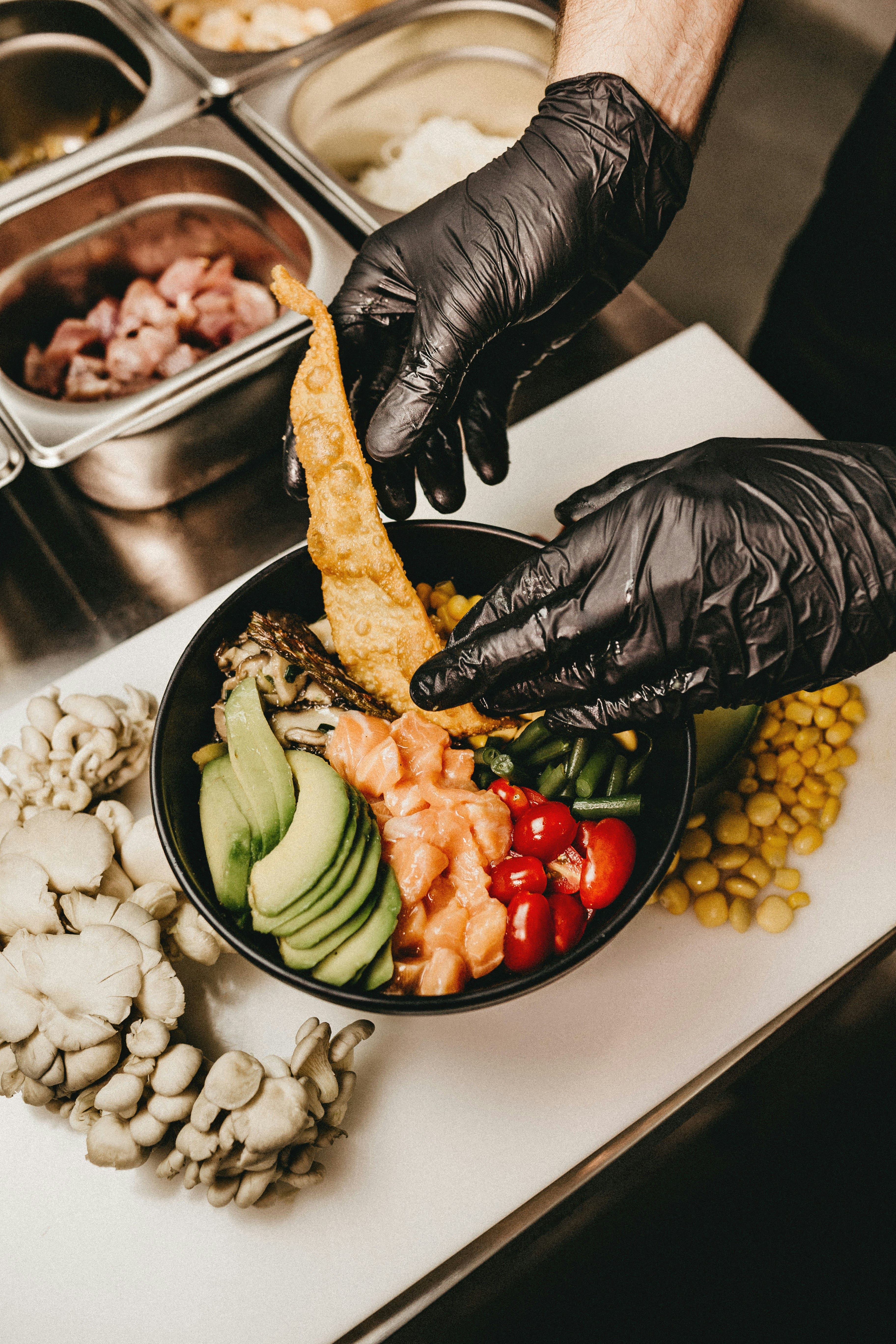
Food safety is a critical consideration when choosing any prepared meal, especially for busy households and professionals. Frozen meals are widely recognised as a safe and reliable option when handled correctly.
This article provides a detailed look at how frozen meals maintain safety, preserve nutrients, and remain convenient for modern lifestyles.
Temperature Control is Key
Bacteria grow rapidly in perishable foods when stored at unsafe temperatures. Freezing meals at or below -18°C prevents bacterial growth and slows enzymatic activity that can spoil food.
Flash-freezing, a common technique in meal prep services, rapidly lowers the temperature of ingredients immediately after cooking. This locks in freshness, flavor, and nutrients.
Professional Preparation Environments
Reputable meal prep companies operate in certified kitchens with strict hygiene standards. Ingredients are handled with care, and kitchens are monitored to prevent cross-contamination.
Food safety standards such as Hazard Analysis Critical Control Points (HACCP) ensure that every meal leaving the facility meets rigorous safety requirements.
Airtight Packaging
Frozen meals are typically packaged in vacuum-sealed or tightly closed containers. This packaging protects meals from contaminants, prevents freezer burn, and maintains moisture and flavor.
Clear labeling on packages also informs consumers of contents, allergens, and storage instructions.
Labeling and Traceability
Each frozen meal includes labels that indicate the date of preparation, ingredients, and reheating instructions. This transparency ensures that consumers can safely track and store meals.
Traceability is also critical in case of food recalls, allowing manufacturers to identify and remove affected batches efficiently.
Safe Reheating Practices
Even the safest frozen meal requires proper reheating. Meals should be heated thoroughly until steaming hot throughout to kill any remaining bacteria.
Using a microwave or oven according to the provided instructions ensures the meal is safe and enjoyable.
Proper Storage Guidelines
Once frozen meals are thawed, they should be consumed promptly and should not be refrozen. Proper storage in the freezer at consistent temperatures is essential for maintaining safety.
Organizing your freezer and rotating meals based on preparation dates helps prevent food from being kept too long.
Nutritional Preservation
Freezing not only preserves safety but also retains nutrients. Vitamins and minerals are maintained at levels comparable to fresh-cooked meals, especially when ingredients are flash-frozen shortly after preparation.
Frozen meals allow busy individuals to access balanced nutrition without worrying about spoilage or nutrient loss.
Convenience Meets Safety
Frozen meals combine safety with convenience. They are prepared in controlled environments, stored for extended periods, and can be consumed with confidence after reheating.
This makes them ideal for busy professionals, families, and students who prioritize healthy eating but have limited time for cooking.
Environmental Benefits
Reduced food waste is a natural outcome of frozen meal services. By controlling portions and extending shelf life, fewer groceries go bad, contributing to more sustainable consumption.
Safe storage and longer shelf life mean consumers use only what they need, which benefits both household budgets and the environment.
Conclusion
Frozen meals are a safe, reliable, and nutritious option for modern life. When prepared under strict hygiene standards, properly stored, and reheated correctly, they provide convenience without compromising food safety.
Understanding the principles behind frozen meal safety helps consumers feel confident in choosing these meals for everyday nutrition, time savings, and peace of mind.