Meal Prep vs Cooking Daily: Which Is Better?
1/26/2026
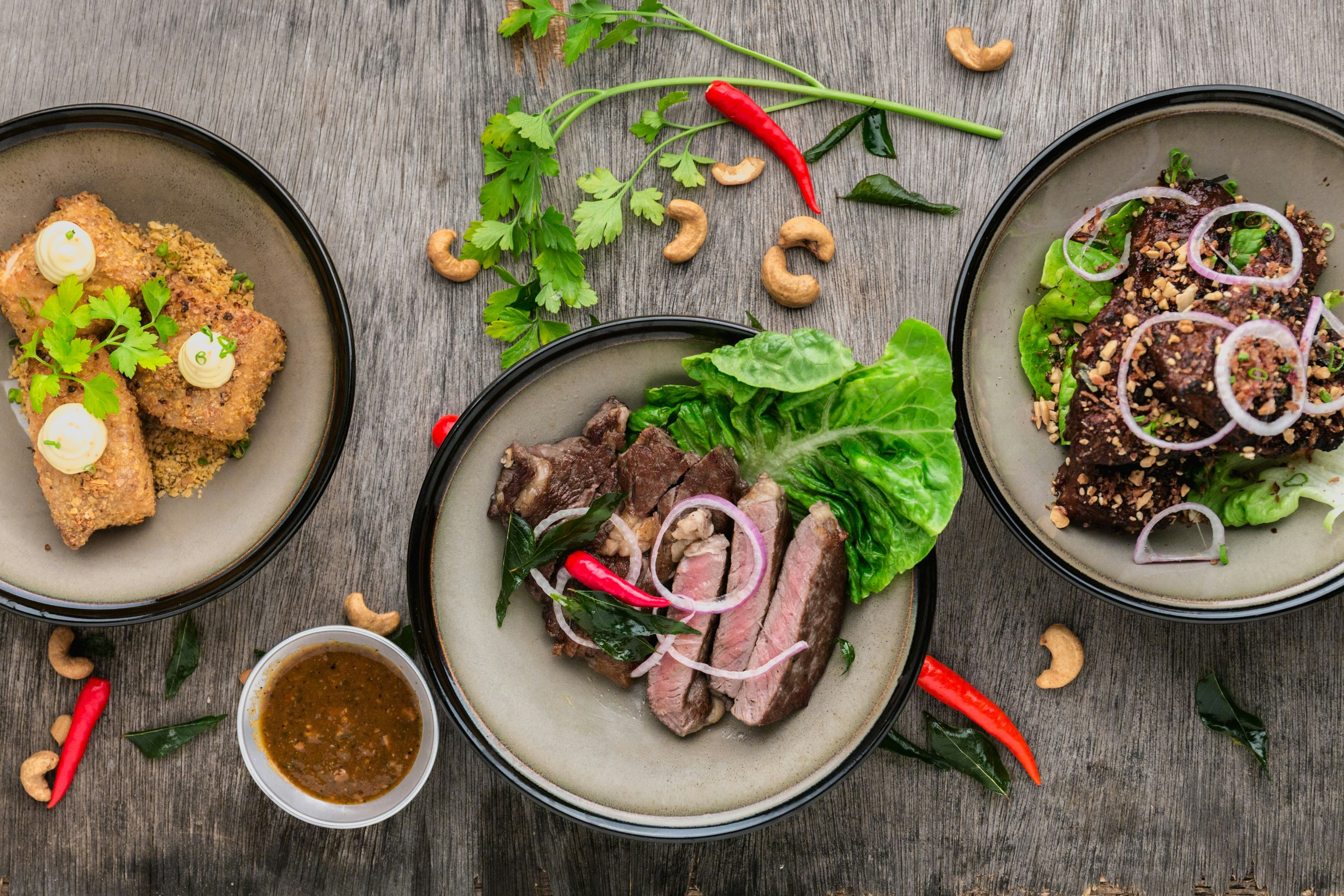
Many professionals, students, and busy households wonder whether it's better to cook fresh meals every day or to rely on meal prep, particularly frozen meal services. Both approaches have their advantages and limitations, and the choice often comes down to lifestyle, time availability, and long-term goals.
This guide explores the pros and cons of each method, helping you decide which approach is the most effective, sustainable, and convenient for your needs.
Time Management
Cooking daily requires a significant time investment. From planning menus, shopping for fresh ingredients, prepping, cooking, and cleaning, daily meals can easily consume several hours of your week.
Meal prep, especially using frozen meals, allows you to spend one or two dedicated sessions cooking in bulk, after which you have several ready-to-eat meals. This frees up time on weekdays, allowing you to focus on work, family, or leisure activities.
Nutrition and Consistency
Cooking fresh meals every day provides complete control over ingredients, ensuring meals are tailored to your taste, dietary needs, and nutrition goals. However, maintaining this consistently can be challenging, and busy schedules may lead to skipped meals or less healthy convenience foods.
Meal prep services, particularly frozen options, provide structured nutrition with balanced macronutrients and controlled portion sizes. This ensures consistent daily nutrition even during hectic periods.
Cost Considerations
Cooking daily can be economical if ingredients are planned well, but it often results in excess purchases that may spoil before use. This can increase food waste and overall spending.
Meal prep services provide predictable costs, reduce waste through precise portions, and save money compared to frequent takeaways or last-minute shopping trips.
Flexibility and Variety
Daily cooking offers maximum flexibility and creativity. You can try new recipes, experiment with ingredients, and adapt meals instantly based on preferences.
Meal prep is less flexible on a day-to-day basis but provides variety through curated menus. Many services rotate dishes weekly, giving exposure to different cuisines without requiring you to source and cook each meal individually.
Stress and Decision Fatigue
Deciding what to cook every day adds to cognitive load. Professionals, parents, and students may experience decision fatigue, leading to unhealthy choices or skipped meals.
Meal prep eliminates this daily mental load. Meals are already prepared and portioned, reducing stress and making it easy to maintain a healthy diet consistently.
Food Safety and Storage
Cooking daily often leaves little room for proper storage if multiple meals are prepared. Leftovers may spoil if not consumed promptly.
Frozen meals are stored safely for weeks, preventing spoilage. Flash-freezing preserves nutrients, flavor, and texture, making frozen meals a reliable and safe option for long-term storage.
Long-Term Sustainability
While some people enjoy daily cooking as a hobby or stress-reliever, for most busy adults, it is challenging to maintain over time. Skipped meals, unhealthy snacking, and burnout are common consequences.
Meal prep offers sustainability. Once incorporated into your routine, it becomes easy to maintain, ensuring consistent nutrition and reducing food-related stress.
Ideal Approach
For many, a combination works best: meal prep during the week and fresh cooking on weekends. This strategy balances convenience with creativity, allowing control over ingredients without sacrificing time.
Frozen meal prep services, in particular, bridge the gap between convenience and nutrition, making them an ideal solution for modern, time-pressured lifestyles.
Conclusion
Both cooking daily and meal prep have their place. Daily cooking maximizes creativity and control, while meal prep ensures convenience, consistency, and sustainability. Understanding your schedule, priorities, and health goals will help determine the best approach.
For busy professionals, students, or families, integrating frozen meal prep into your routine is an efficient way to eat healthier, save time, and reduce stress, without compromising on taste or nutrition.